

Mohamed Salah: The Man Behind the Goals and Glory at Liverpool
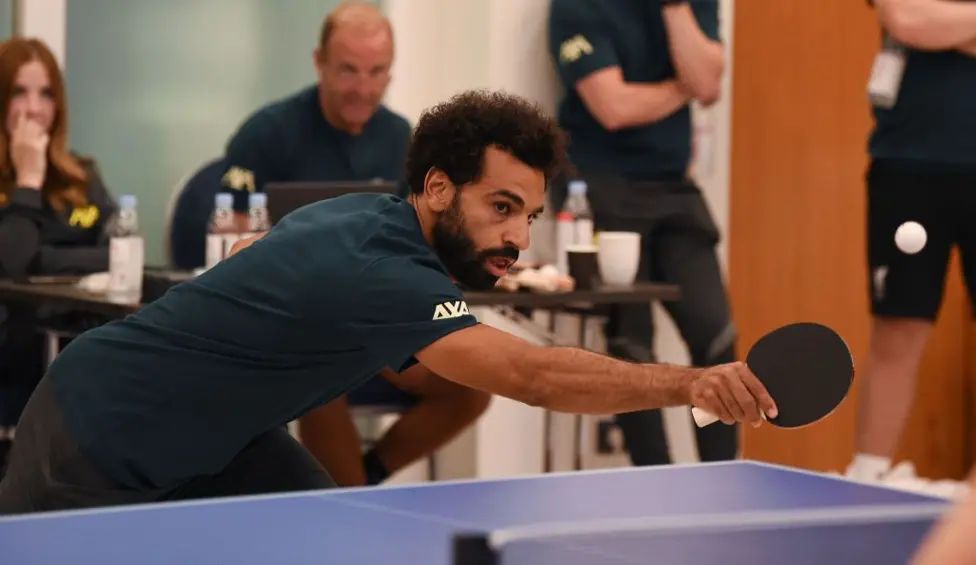
For more than eight years at Liverpool, Mohamed Salah has been adored by supporters, many of whom regard the “Egyptian King” as one of the greatest players in the club’s history.
But his recent claim that he is being scapegoated for Liverpool’s poor form — after being named a substitute for three straight matches under manager Arne Slot — has sparked debate about his character among fans, pundits, and former players.
So who is Mohamed Salah away from the headlines?
‘You only have problems with Mo when he’s not playing’
Salah’s intensity and refusal to accept anything less than excellence have driven Liverpool’s success, but those same qualities may explain why he has struggled with criticism about his reduced role.
“We are massively shaped by our past — how we were raised, where we grew up,” says former Liverpool manager Jurgen Klopp, who won every major English and European trophy with Salah. “Mo learned early that he had to work harder than others. He always developed, never stopped. That was his mindset.”
Klopp said Salah would return from every summer break with a new skill, as if he had spent months perfecting one type of pass. Their shared drive, he believes, bonded them for life.
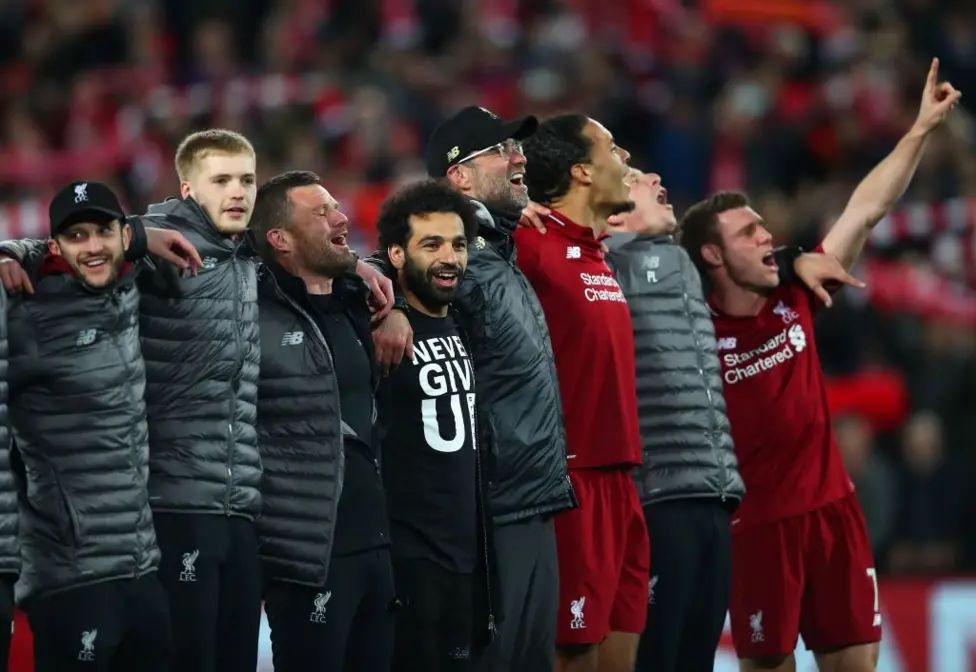
“He’s not always easy to manage, but he’s not difficult either. You only have problems with Mo Salah if he isn’t playing or you take him off.”
Critics have accused Salah of not speaking publicly enough after defeats, but teammates say he inspires with his commitment and refusal to quit.
“He will always try to prove someone wrong,” says former teammate Adam Lallana. “He stays focused whether things are good or bad. Watching him made me calm — he was always in control.”
‘He wants to be the best at everything’
At Elland Road, Salah defended his record, comparing himself to England captain Harry Kane — a reminder, he felt, of what he is capable of.
Confidence, even arrogance, is often a hallmark of elite athletes, and some believe it has powered Salah to greatness.
“He’s a really nice guy for someone with that level of global fame,” says former vice-captain James Milner. “He plays with a chip on his shoulder. He wants to be the best at everything — he even hired a chess tutor and beat me plenty of times.”
Salah’s desire to outdo everyone contributed to his famously competitive relationship with Sadio Mané.
“Were they best friends? No,” Klopp admits. “Could he have passed more? Yes. But they supported and fought for each other on the pitch.”
Beyond football, Salah is a cultural symbol — named among the world’s most influential people, publicly supporting human rights, and helping reshape attitudes toward Muslims through his faith.
Humble beginnings and a deep connection to home
Salah was born in Nagrig, a small village 100 miles from Cairo where most residents work as farmers and more than half live in poverty.
“His discipline set him apart even as a child,” says village mayor Maher Anwar Shtiyeh. “He remains deeply connected to his roots. He finds real happiness back home with family and friends.”
As a boy, Salah would travel up to five hours each way to train at Arab Contractors in Cairo — a routine that built remarkable mental resilience.
Former Egypt teammate Ahmed Elmohamady says Salah’s wife, who is also from Nagrig, has supported him since childhood: “She knows everything about him and has been with him all the way.”
Salah has stayed loyal to the village, funding an ambulance station, a charity foundation, and a religious institute.
His faith has always been visible. He prays before stepping onto the pitch and after scoring. Shafique Rahman, an imam at the Liverpool Mosque, says Salah felt comfortable among worshippers: “Nobody bothered him during prayer. Here, everyone is equal.”
The journey through Europe
Salah struggled during his first spell in England after joining Chelsea under José Mourinho.
“At 21 he was innocent, a bit shy,” recalls former teammate Mark Schwarzer. “He was frustrated when he didn’t score. I remember Mourinho kicking a table in the dressing room and directing frustration at Mo — he was visibly upset.”
Salah rebuilt his career in Italy with Fiorentina and Roma, earning a reputation as a model professional.
“He did everything by the book,” says Micah Richards, who played with him at Fiorentina. “Early nights, strict diet — he was determined to prove doubters wrong.”
Former Egypt striker Mido says Salah’s success has inspired millions: “He made young Africans believe they can make it too.”
What comes next?
Even before Salah’s comments after the 3-3 draw with Leeds, questions were growing about his future. Concerns had been raised inside Liverpool about his performances, and sources told the BBC the club is open-minded about selling the 33-year-old — potentially as early as the January transfer window.
Other Liverpool stars have had similarly difficult endings: Javier Mascherano, Fernando Torres, Trent Alexander-Arnold, and even Steven Gerrard, whose shirts were burned in the streets in 2005 during his own transfer saga.
If this is the end of Salah’s Liverpool chapter, his legacy remains immense.
“He was one of the first to welcome me,” says former teammate Luis Díaz, now at Bayern Munich. “He told me, ‘If you ever need my help, I’m here.’ We shared the moment of lifting the Premier League together. He always wanted to be a better player and a better person.”