

US Proposes Requiring Five Years of Social Media History from Visa-Waiver Tourists
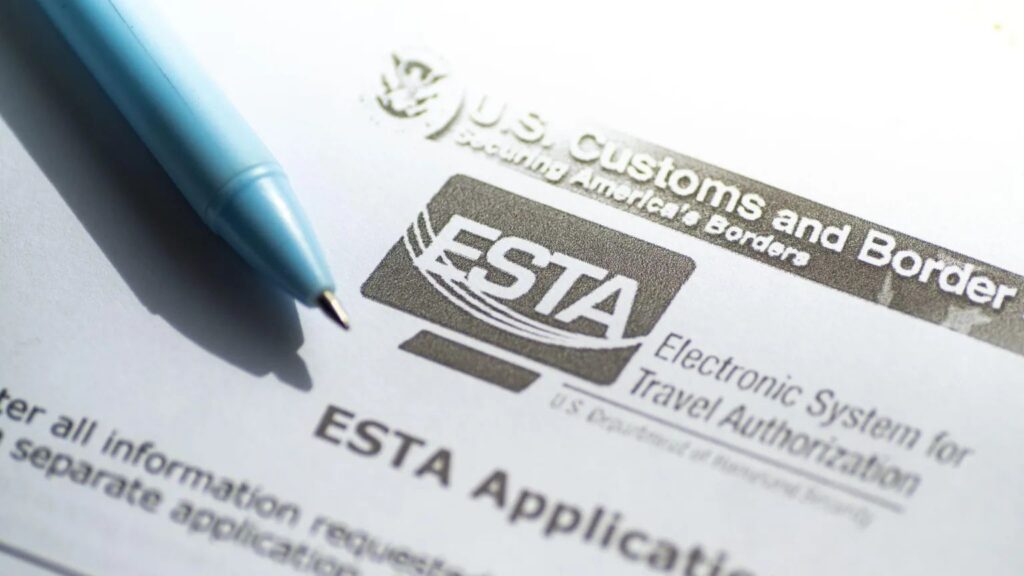
Tourists from dozens of visa-waiver countries — including the UK — may soon be required to submit five years of social media history before entering the United States, under a new proposal introduced by U.S. officials.
The rule would apply to travellers eligible for the Electronic System for Travel Authorization (ESTA), which allows citizens of nearly 40 countries to visit the U.S. for up to 90 days without a visa. The current ESTA process requires minimal personal information and a $40 (£30) fee, granting multiple trips during a two-year period.
Since returning to office in January, President Donald Trump has pushed for stricter border controls, citing national security concerns. Analysts warn the new requirements could discourage travel or undermine digital privacy rights.
The proposal—filed by U.S. Customs and Border Protection (CBP) and the Department of Homeland Security (DHS)—appeared in the Federal Register, the government’s official notice publication. It states that ESTA applicants would need to provide “social media from the last five years,” though it does not specify which platforms or types of content.
In addition to social media accounts, applicants would also be required to list phone numbers used in the past five years, email addresses used over the past decade, and provide additional information about family members.
The plan is tied to Trump’s executive order titled “Protecting the United States From Foreign Terrorists and Other National Security and Public Safety Threats.” The administration has already imposed similar requirements on foreign nationals applying for student and H1B work visas, which now involve higher fees and disclosure of public social media profiles.
A senior State Department official defended the policy, saying Americans expect the government to take “every effort” to ensure national safety. Officers have also been directed to screen visa applicants for ties to terrorism or involvement in unlawful anti-Semitic activity.
The proposal comes as the administration considers expanding an existing travel ban affecting 19 countries across Africa, the Middle East, and the Caribbean — a move announced shortly after a shooting in Washington, D.C., involving an Afghan suspect.
The public has 60 days to comment on the ESTA data-collection proposal.
Digital rights groups have criticised the plan. Sophia Cope of the Electronic Frontier Foundation told the New York Times it could worsen privacy and civil liberties concerns. Immigration law firm Fragomen warned it may also slow down ESTA processing times.
Travel experts say Trump-era policies have already weakened U.S. tourism. The World Travel & Tourism Council recently reported that the U.S. is the only one of 184 economies expected to see a drop in international visitor spending in 2025.
Other Trump policies — such as tariffs — have also affected tourism, with many Canadians boycotting travel to the U.S. This October marked the 10th consecutive month of declining Canadian visitor numbers. Canadians typically make up a quarter of all international arrivals, spending more than $20bn (£15.1bn) annually.