

- Prime Minister Keir Starmer has vowed to stay in office despite Labour’s crushing election defeat, telling ministers he will “get on with governing”
- His defiance comes after a turbulent 48 hours of resignations and mounting pressure from more than 80 Labour MPs demanding a timetable for his departure
- While some senior ministers offered strong backing, the resignation of junior minister Miatta Fahnbulleh highlights the growing divide within the party
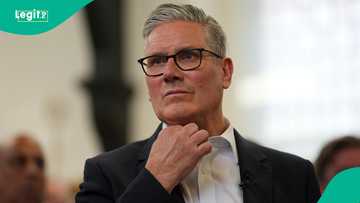
British Prime Minister Keir Starmer has rejected growing calls to resign, telling ministers on Tuesday, May 12, 2026, that he would “get on with governing” despite what he described as a “destabilizing” 48 hours of mounting pressure.
At a cabinet meeting, Starmer admitted responsibility for Labour’s heavy election defeat but stressed that no formal leadership challenge had been triggered.
Source: Getty Images
He told ministers:
“The past 48 hours have been destabilizing for government and that has a real economic cost for our country and for families. The country expects us to get on with governing. That is what I am doing and what we must do as a Cabinet.”

Read also
Tears as prominent Christian leader Lamb dies in US: ‘she got to see Jesus face to face’
Labour cabinet shows support
Despite speculation, several senior ministers rallied behind Starmer. Pensions Minister Pat McFadden said no one had challenged the prime minister during the meeting, adding there were “many statements of support for the job that he’s doing.”
According to Canada’s CBC, Minister of State Jennifer Chapman told BBC News that the mood was “overwhelmingly” supportive, with ministers focused on tackling pressing issues such as the weak domestic economy and the impact of the war in Iran on inflation and security.
Junior minister resigns
However, cracks are showing within Labour. Housing, communities and local government minister Miatta Fahnbulleh resigned on Tuesday, urging Starmer “to do the right thing for the country.” Her departure followed resignations from several ministerial aides.
More than 80 Labour MPs, including Home Secretary Shabana Mahmood, have publicly demanded that Starmer set a resignation date to allow for an orderly leadership transition.

Read also
Bournemouth drops defender Alex Jimenez ahead of Fulham Match Amid Serious Investigation
Political context and challenges
Starmer is Britain’s fourth prime minister in five years, highlighting the political instability since the Brexit vote in 2016. His leadership began after Labour’s worst national election result since 1935 under Jeremy Corbyn in 2019.
Following Labour’s mid-2024 election rout, Starmer’s government has struggled to revive the UK’s low-growth economy. Controversy also arose over the appointment of Peter Mandelson as ambassador to Washington, given his ties to Jeffrey Epstein.
The next UK general election is not due until 2029, but Labour could change leader midterm under parliamentary rules.
Labour leadership rules
Unlike the Conservative Party, Labour MPs cannot simply declare “no confidence” in their leader. Any challenger must secure support from 20% of Labour MPs — currently 81 out of 403 — as well as backing from grassroots members and affiliated trade unions.
Starmer would automatically be on the ballot if he chose to fight a contest. If multiple candidates qualify, Labour members and affiliates would decide the winner through a ballot.
Read also
Breaking: Popular southern APC federal lawmaker resigns, gives reason
Potential challengers include Health Minister Wes Streeting, Greater Manchester Mayor Andy Burnham, and former deputy prime minister Angela Rayner. Burnham lacks a parliamentary seat, while Rayner is still dealing with tax issues linked to her resignation last year.
Outlook ahead of King’s speech
The pressure on Starmer comes just one day before King Charles is set to outline the government’s legislative agenda in a traditional parliamentary ceremony on Wednesday, May 13, 2026.
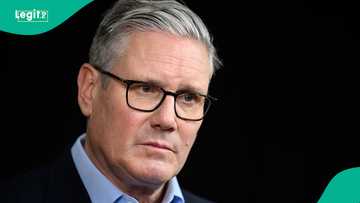
Starmer has vowed to act “more boldly and with more urgency” to address Britain’s challenges, warning that voters would not forgive Labour if it plunged into another leadership battle so soon after its historic majority.
Source: Getty Images
Things to know about Kier Starmer
Legit.ng earlier reported that on Friday, July 5, Keir Starmer will become the United Kingdom’s first Labour prime minister since 2010 after his party’s landslide general election victory.
Labour is returning to power with a huge parliamentary majority of 174, following a collapse in support for the Conservatives. According to BBC reports, Keir will be formally appointed by King Charles III at Buckingham Palace later and then give his first speech on Downing Street.
Source: Legit.ng